


Ohio Trauma Centers Stay Ready Through Holidays and Winter Storms
December 02, 2025
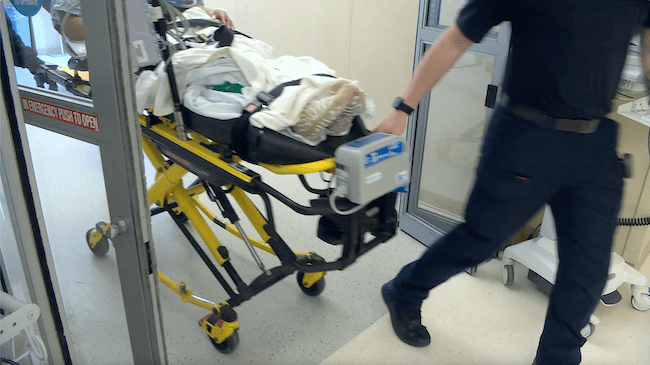
When a horrific crash shatters lives on an Ohio highway, trauma teams don’t hesitate. They surge into action. It’s a permanent, 24/7/365 commitment to every critically injured patient.
Once a hospital earns trauma center designation, it accepts rigorous standards that never pause for holidays or staffing shortages.
No matter the season – through holidays and snowstorms — trauma centers can never close. They are the backbone of our community’s emergency preparedness, standing guard for every family, worker, and visitor in Ohio. That’s why it matters that Congress sustains strong federal support for trauma readiness — through programs that help hospitals train teams, modernize equipment, and coordinate statewide systems.
Every day, trauma teams at University Hospitals and across Ohio treat life-threatening injuries that rarely make headlines: high-speed crashes on I-90, farming accidents in rural counties, and gunshot wounds in our cities. These are the moments when coordination, equipment, and training decide whether a neighbor lives or dies.
Ohio’s trauma system — linking hospitals, EMS agencies, and air-transport networks — is one of the nation’s most advanced. Yet the same infrastructure that saves lives is increasingly strained. Rising patient volumes, workforce shortages, and escalating costs are testing the limits of hospitals that can’t simply “pause operations” until funding or staffing recovers.
That’s why support from Congress for programs like MISSION Zero and the Trauma Systems Grants Program matters. MISSION Zero provides federal funding to ensure that every civilian Level I trauma center has military-civilian partnerships, training, and resources in place to deliver combat-level care here at home. These initiatives—championed by bipartisan leaders — help hospitals strengthen readiness, support the training of multidisciplinary trauma teams, and coordinate across regions so that every Ohioan has access to lifesaving care.
Ohio’s geography and economy expose it to a wide range of threats — dense interstates, heavy rail traffic, major sports and entertainment venues, manufacturing plants, and extreme weather. From mass-casualty incidents to tornadoes and chemical exposures, our trauma centers prepare for it all. When the unthinkable happens, their ability to surge, stabilize, and coordinate is what keeps local emergencies from becoming national disasters.
That readiness isn’t just medical — it’s economic. When a worker is injured on the job, when a child is hurt in a car crash, trauma care determines whether that person can recover, return to work, and remain part of our community.
At University Hospitals, our system anchors the Northern Ohio trauma network, working side by side with other regional hospitals to ensure seamless transfers, specialized pediatric trauma care, and 24/7 surgical coverage. We train paramedics, collaborate with law enforcement, and support rural hospitals through telemedicine and outreach. This quiet web of preparation saves lives every day — long before a headline reminds us why it matters.
The federal government has made major strides in supporting trauma preparedness through MISSION Zero and related programs. But these funds are small compared to the benefit they provide. The same readiness that allows a trauma center to respond to a local bus crash is what allows the nation to respond to a mass-casualty event, natural disaster, or homeland-security crisis.
In Ohio, we understand that community safety isn’t a partisan issue — it’s a shared responsibility. Our hospitals are proud to partner with local, state, and federal leaders who recognize that trauma care is essential infrastructure, just like roads, bridges, and power grids.
As winter advances and families travel for the holidays, trauma centers remain ready. The staff shows up for every emergency, no matter the weather or time of year. Because trauma centers should never close and neither can our commitment to them.
Heidi Gartland is Chief Government and Community Relations Officer at University Hospitals; Board Member, Trauma Center Association of America